What Is Strategic Sourcing? (Hint: It’s Not Just “Getting a Cheaper Supplier”)
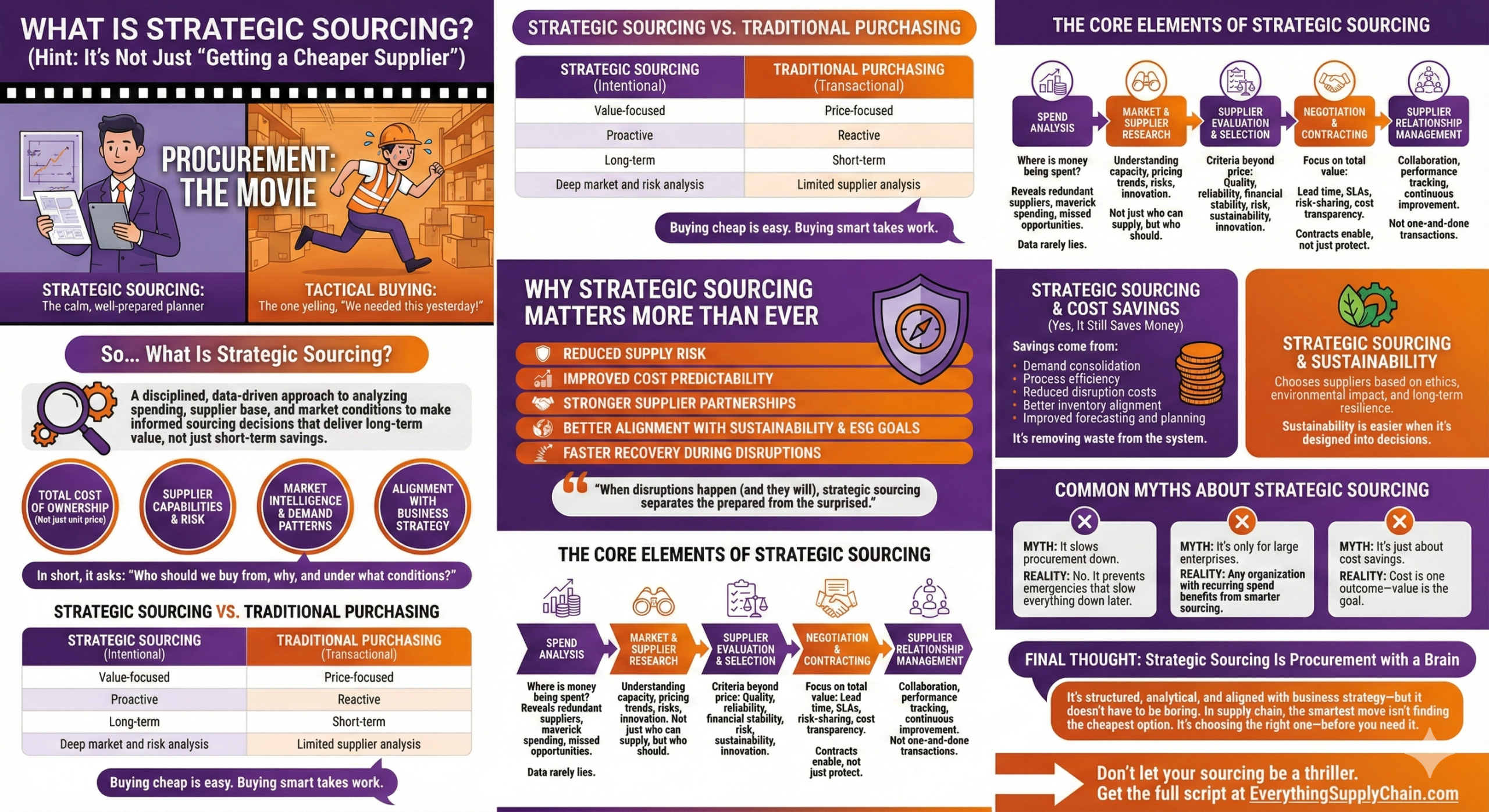
If procurement were a movie, strategic sourcing would be the calm, well-prepared character with a plan—while tactical buying is the one sprinting through the warehouse yelling, “We needed this yesterday.”
Strategic sourcing is often misunderstood as aggressive cost cutting. In reality, it’s a disciplined, data-driven approach to building smarter, more resilient supplier relationships that support long-term business goals—not just this quarter’s budget.
So… What Is Strategic Sourcing?
Strategic sourcing is a systematic process of analyzing an organization’s spending, supplier base, and market conditions to make informed sourcing decisions that deliver long-term value, not short-term savings.
It focuses on:
- Total cost of ownership (not just unit price)
- Supplier capabilities and risk
- Market intelligence and demand patterns
- Alignment with business strategy
In short, strategic sourcing asks:
“Who should we buy from, why, and under what conditions?”
Strategic Sourcing vs. Traditional Purchasing
Traditional purchasing is transactional. Strategic sourcing is intentional.
| Traditional Purchasing | Strategic Sourcing |
|---|---|
| Price-focused | Value-focused |
| Reactive | Proactive |
| Short-term | Long-term |
| Limited supplier analysis | Deep market and risk analysis |
Buying cheap is easy. Buying smart takes work.
Why Strategic Sourcing Matters More Than Ever
Supply chains today are exposed to disruptions, labor shortages, geopolitical risks, and volatile pricing. Strategic sourcing helps organizations prepare instead of panic.
Key benefits include:
- Reduced supply risk
- Improved cost predictability
- Stronger supplier partnerships
- Better alignment with sustainability and ESG goals
- Faster recovery during disruptions
When disruptions happen (and they will), strategic sourcing separates the prepared from the surprised.
The Core Elements of Strategic Sourcing
1. Spend Analysis
Strategic sourcing starts by understanding where money is actually being spent—by category, supplier, region, and business unit.
This step often reveals:
- Redundant suppliers
- Maverick spending
- Missed consolidation opportunities
Data rarely lies. It just waits patiently to be analyzed.
2. Market and Supplier Research
This involves understanding the supply market: capacity, pricing trends, risks, innovation potential, and alternative sources.
It’s not just about who can supply—but who should.
3. Supplier Evaluation and Selection
Suppliers are evaluated on more than price. Criteria often include:
- Quality and reliability
- Financial stability
- Geographic and geopolitical risk
- Sustainability practices
- Innovation capability
The cheapest supplier is rarely the least expensive in the long run.
4. Negotiation and Contracting
Strategic sourcing negotiations focus on total value, not just discounts.
This may include:
- Lead time improvements
- Service-level agreements
- Risk-sharing clauses
- Cost transparency mechanisms
Good contracts don’t just protect—they enable.
5. Supplier Relationship Management
Once suppliers are selected, the work isn’t over—it’s just beginning.
Strategic sourcing emphasizes collaboration, performance tracking, and continuous improvement rather than one-and-done transactions.
Strategic Sourcing and Cost Savings (Yes, It Still Saves Money)
Let’s be clear—strategic sourcing does reduce costs. It just does it intelligently.
Savings come from:
- Demand consolidation
- Process efficiency
- Reduced disruption costs
- Better inventory alignment
- Improved forecasting and planning
It’s less about squeezing suppliers and more about removing waste from the system.
Strategic Sourcing and Sustainability
Strategic sourcing plays a major role in sustainable supply chains.
By choosing suppliers based on ethics, environmental impact, and long-term resilience, companies reduce risk while meeting regulatory and customer expectations.
Translation: sustainability is easier when it’s designed into sourcing decisions—not added later as damage control.
Common Myths About Strategic Sourcing
- “It slows procurement down.”
No. It prevents emergencies that slow everything down later. - “It’s only for large enterprises.”
Any organization with recurring spend benefits from smarter sourcing. - “It’s just about cost savings.”
Cost is one outcome—value is the goal.
Final Thought: Strategic Sourcing Is Procurement with a Brain
Strategic sourcing is what happens when procurement stops reacting and starts thinking ahead. It’s structured, analytical, and aligned with business strategy—but it doesn’t have to be boring.
Because in supply chain, the smartest move isn’t finding the cheapest option.
It’s choosing the right one—before you need it.
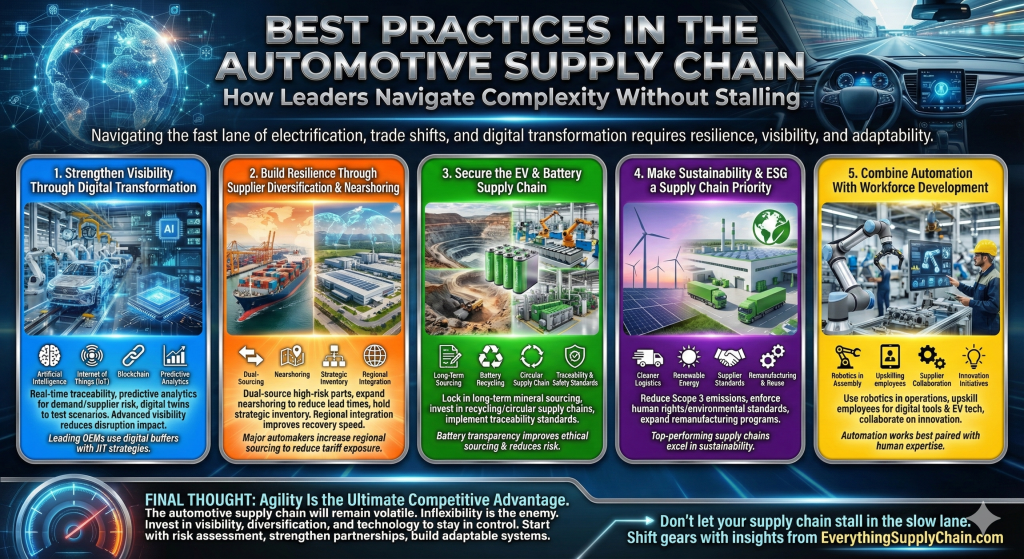
Best Practices in the Automotive Supply Chain: How Leaders Navigate Complexity Without Stalling
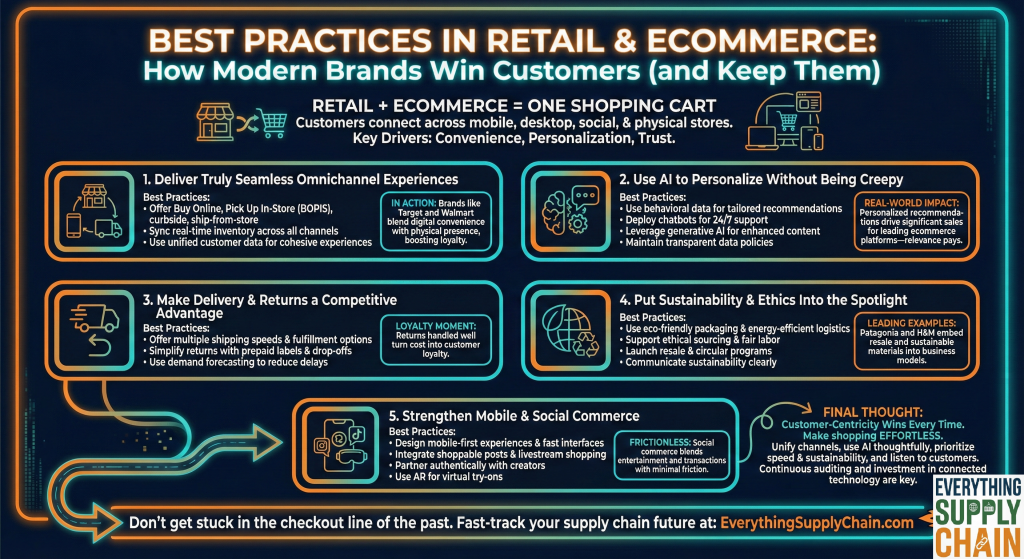
Best Practices in Retail and Ecommerce: How Modern Brands Win Customers (and Keep Them).
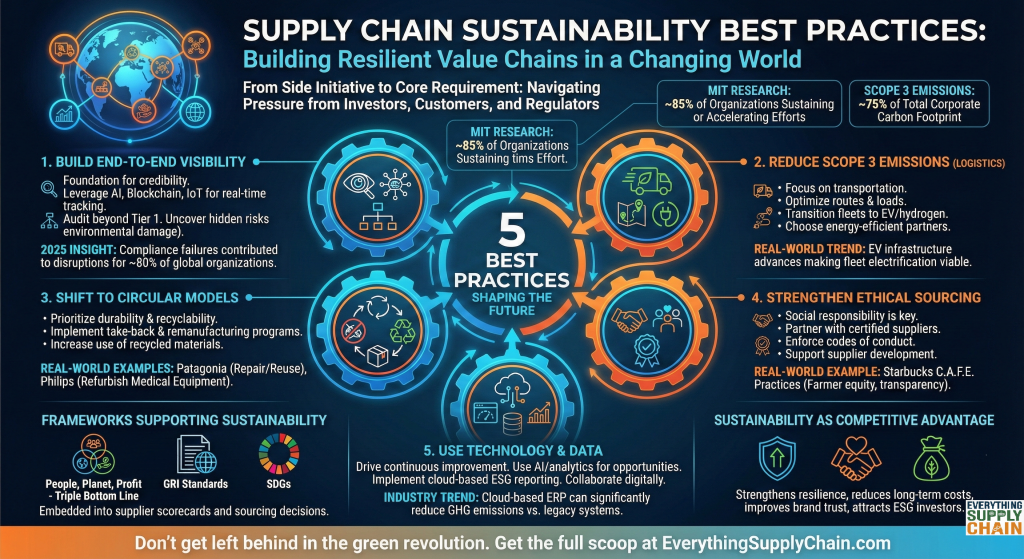
Supply Chain Sustainability Best Practices.